In the bustling retail landscape of Tampa, Florida, the choice of roofing materials isn't just about aesthetics or cost-it's a critical decision with far-reaching environmental implications. As one of the nation's fastest-growing cities, Tampa's retail stores face a unique challenge: selecting roofing that not only withstands the area's hot, humid climate but also minimizes its carbon footprint. This article examines the intricate web of environmental considerations in roofing for retail stores Tampa FL. We explore the current problem, from the impact of traditional materials to the rising popularity of eco-friendly alternatives. By providing a practical guide to sustainable roofing options, this piece aims to empower local businesses to make informed choices that benefit both their bottom line and the planet.
- Assessing Tampa's Roofing Material Landscape
- Environmental Impact: A Local Perspective
- Sustainable Options for Retail Stores in Tampa
- Material Comparisons: Eco-Friendly vs Traditional
- Installation Practices and Efficiency in Tampa FL
- The Future of Green Roofing in Tampa's Retail Sector
Assessing Tampa's Roofing Material Landscape

Tampa, Florida, is a hub for retail growth, and as such, understanding the local roofing material landscape is crucial for any new construction or renovation project. When assessing roofing for retail stores Tampa FL, several factors come into play. The region's climate influences material choices, with a focus on durability and water resistance. Out-of-state roofing contractors Tampa often bring unique perspectives and expertise, but they must adhere to local building codes and safety standards.
The market here offers a diverse range of options, from traditional materials like asphalt shingles to more sustainable choices like metal roofing. Each has its advantages and environmental impacts. For new retail construction, choosing the right roofing material can significantly impact energy efficiency and long-term maintenance costs. A well-installed metal roof could provide excellent protection against intense Florida sunshine and frequent storms, but it may have a higher upfront cost compared to asphalt.
Local experts recommend a thorough assessment before any project begins. This includes understanding the age and condition of the existing roof, the building's structural integrity, and the client's budget. For existing structures with leaks, such as those in need of emergency repairs, proper diagnosis and material selection become even more critical. Regular inspections and maintenance programs can extend the lifespan of any roofing system, whether it's a traditional or alternative material. This proactive approach not only reduces the environmental impact of frequent replacements but also saves businesses money in the long run.
Environmental Impact: A Local Perspective
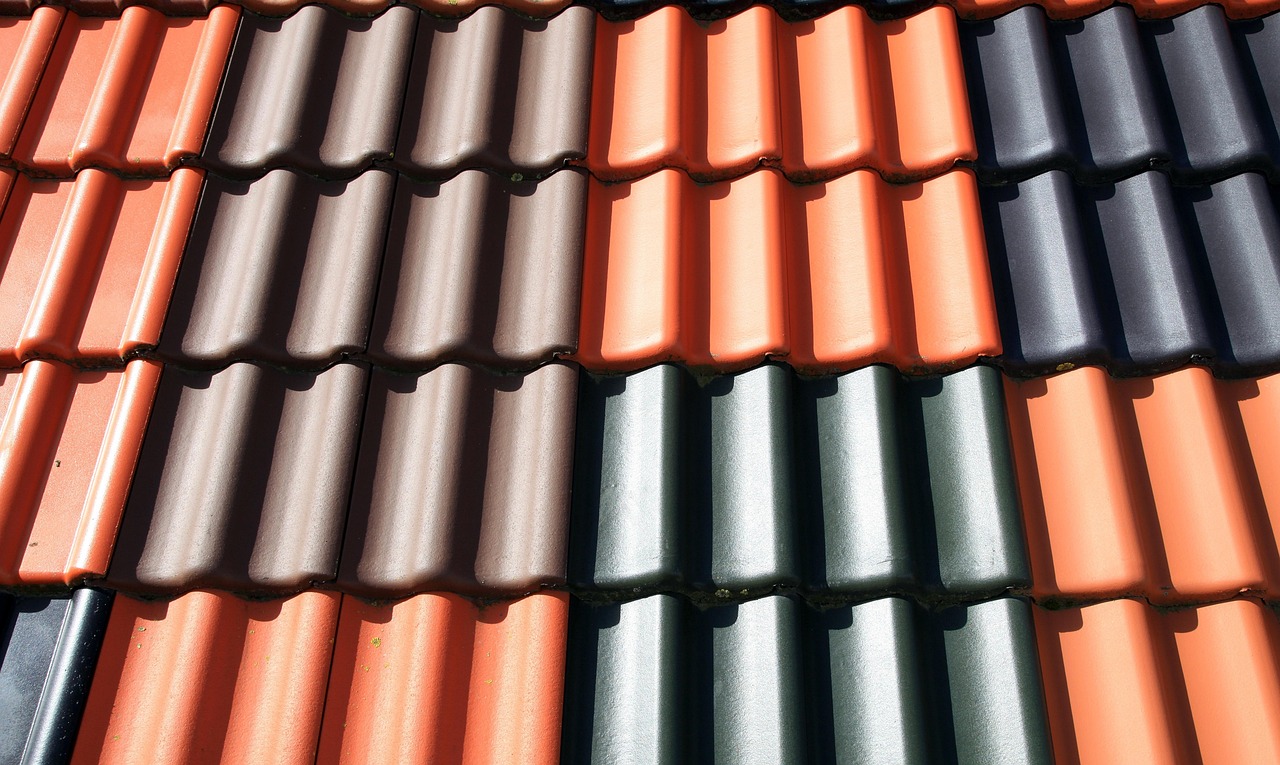
In Tampa, the choice of roofing materials goes beyond aesthetics; it significantly impacts the local environment. For retail stores seeking a sustainable future, understanding the ecological footprint of their roofs is crucial. Roofing for retail stores Tampa FL offers a unique perspective on environmental stewardship, especially when considering the diverse climate and ecosystem of the region.
One of the key considerations is the life cycle of roofing materials. Many traditional options, like asphalt shingles, have a substantial environmental cost. Their production involves energy-intensive processes and often results in significant waste. When these materials reach the end of their life, they can be challenging to recycle, leading to further environmental impact. In contrast, environmentally conscious retailers are turning to long-lasting alternatives like metal or tile roofing. These options often require less frequent replacement, reducing waste and the need for ongoing production, which has its own ecological consequences. Consumer reviews for Tampa roofing highlight the growing demand for eco-friendly choices, with many businesses seeking estimates for stores Tampa FL that align with sustainable practices.
Local building codes play a vital role in Tampa's environmental narrative. The city's regulations encourage the use of energy-efficient roofing materials, promoting a more sustainable built environment. Some codes incentivize the installation of reflective roofs, which can lower a building's cooling costs, thereby reducing overall energy consumption. The availability of local, renewable resources can significantly lower the carbon footprint of roofing projects. When planning roofing estimates for stores Tampa FL, retailers can choose materials sourced from nearby manufacturers, minimizing transportation emissions. This local approach not only supports the community but also contributes to a more sustainable construction industry.
Roofing for accessible stores Tampa also brings environmental considerations to the forefront. Ensuring that roofing materials are not only sustainable but also easily recyclable or reusable can make a significant difference in the long term. As the industry evolves, consumer feedback and the growing demand for environmentally conscious practices will continue to shape the future of roofing in Tampa. Retailers who prioritize sustainable roofing options not only contribute to the local ecosystem but also position themselves as responsible corporate citizens, which can enhance their standing in the community and attract a diverse customer base.
Sustainable Options for Retail Stores in Tampa
In Tampa, Florida, where the sun shines brightly and the businesses thrive, the choice of roofing materials goes beyond aesthetics. For retail stores, the environmental impact of roofing is a crucial consideration, especially with the growing demand for sustainability. When exploring roofing options, Tampa's business owners can opt for eco-friendly materials that not only reduce their carbon footprint but also offer long-term cost savings and resilience.
One of the first steps in embracing sustainability is to engage local experts who specialize in roofing for retail stores Tampa FL. These professionals can guide business owners through the process, offering insights on the latest green roofing technologies. They might recommend metal roofing, known for its longevity and recyclability, or energy-efficient options like cool roofs, which reflect sunlight, reducing the building's energy consumption. Out-of-state roofing contractors may bring innovative designs and specialized techniques, but local experts ensure compliance with Tampa's building codes and offer valuable knowledge of the local climate and conditions.
Regular roofing inspections are essential, not just for safety and emergency repairs but also for identifying potential environmental issues. Affordable roofing for stores in Tampa FL can be achieved through a well-planned maintenance program. By scheduling routine inspections, businesses can prevent leaks, which often lead to mold and structural damage, both costly and environmentally detrimental. A proactive approach to roofing maintenance demonstrates a commitment to sustainability and the local community, as it reduces waste and conserves resources. A local roofing inspection service in Tampa might advise on the age of the roof and the benefits of replacing it with more sustainable materials, ensuring the store's long-term environmental and financial health.
Material Comparisons: Eco-Friendly vs Traditional
In Tampa, the choice of roofing materials goes beyond aesthetics and structural integrity; it directly impacts the environment. When considering roofing for retail stores in Tampa FL, eco-friendly options are gaining popularity, not just for their visual appeal but for their sustainability. Traditional materials, while prevalent, have environmental footprints that are becoming increasingly evident. Local building codes and permits in Tampa often encourage the use of green materials, aligning with the city's commitment to sustainability.
Comparing eco-friendly and traditional roofing materials reveals stark differences. Metal roofing, a popular choice among local contractors in Tampa, is known for its longevity but contributes to the environmental impact through mining and manufacturing processes. Conversely, materials like asphalt shingles, while readily available, have a significant carbon footprint due to their petroleum-based composition. In contrast, environmentally conscious options like recycled metal, plant-based composites, and energy-efficient tiles are gaining traction. These alternatives reduce waste, minimize resource depletion, and lower energy consumption during manufacturing.
When making a choice between local and national roofers in Tampa for a retail store, homeowners and business owners should consider the contractor's expertise in eco-friendly options. Local roofers often have a better understanding of Tampa roofing codes and permits related to green building, ensuring compliance and maximizing incentives. They may source materials from local suppliers, further reducing the carbon footprint associated with transportation. Obtaining roofing estimates for stores in Tampa FL 1-3 times from both local and national contractors can help illustrate the price differences and environmental impacts of various materials. This process encourages informed decisions that balance aesthetics, functionality, and environmental responsibility.
Installation Practices and Efficiency in Tampa FL
In Tampa, Florida, the choice of roofing materials for retail stores isn't just an aesthetic decision; it's a strategic one that can significantly impact energy efficiency and long-term operational costs. When considering new installations or renovations, local experts emphasize the importance of aligning roofing practices with both building codes and sustainability goals. The cost of roofing a store in Tampa can vary greatly depending on the chosen materials and complexity of the project, but energy-efficient options are increasingly popular, driven by both cost savings and environmental considerations.
Many contractors in Tampa are promoting the use of cool roofs, which reflect sunlight and absorb less heat than traditional dark roofing materials. This not only reduces the energy burden on stores, especially during the hot Tampa summers, but also helps to mitigate the urban heat island effect, a concern in densely populated areas. Compliance with Tampa roofing codes and permits for such installations is crucial, ensuring safety and proper waste management during the construction process. The city's building department provides clear guidelines and resources for developers and contractors to navigate these requirements.
The efficient use of materials and minimal waste are key aspects of modern roofing projects. Local roofing contractors are adopting practices that reduce the environmental footprint of installations. This includes recycling old roofing materials and utilizing locally sourced products whenever possible. By embracing these strategies, Tampa-based retailers can contribute to a more sustainable urban environment while maintaining the integrity and longevity of their buildings' roofs.
The Future of Green Roofing in Tampa's Retail Sector
The environmental impact of roofing materials in Tampa, Florida, is a critical consideration, especially for the retail sector. As the city continues to grow, so does the demand for affordable roofing for stores in Tampa FL, and this puts a spotlight on the sustainability of roofing options. The future of green roofing in Tampa's retail industry looks promising, with a growing awareness of the need for eco-friendly solutions. This trend is driven not only by environmental consciousness but also by building codes and consumer demand for top-rated roofing companies that prioritize sustainability.
One of the key aspects is the shift towards using environmentally friendly materials. Many traditional roofing options contribute to waste and pollution, but local experts are promoting alternatives. Metal roofing is gaining popularity due to its longevity and recyclability. This durable material is a viable option for retail structures, offering a long-term solution that minimizes waste. Some top-rated contractors in Tampa FL are experimenting with green technologies like solar-reflective shingles, which not only reduce energy costs but also lower the carbon footprint of buildings.
Regular roofing inspections play a vital role in the green roofing narrative. In Tampa, roofing inspection services are becoming more prevalent, allowing property owners and managers to identify and address issues early. By maintaining roofs effectively, businesses can extend their lifespan, reducing the need for frequent replacements. This, in turn, lowers the environmental impact associated with manufacturing and disposing of roofing materials. A well-maintained flat roof with a waterproof membrane can last 20 years or more, significantly reducing waste compared to a roof that requires frequent repairs or replacements. As the retail sector evolves, adopting sustainable practices for roofing will be a defining factor in the success of environmentally conscious businesses in Tampa.
Frequently Asked Questions About The Environmental Impact of Roofing Materials in Tampa, Florida
What are the environmental considerations when choosing roofing materials in Tampa, Florida?
When selecting roofing materials in Tampa, environmental impact is a crucial factor. Consider the lifecycle of the material-from production to end-of-life recycling or disposal-to minimize ecological harm. Look for materials with high recycling rates, low volatile organic compound (VOC) emissions, and energy-efficient properties. Metal roofing is a popular eco-friendly option due to its longevity, recyclability, and reduced need for frequent replacement.
How do roofing materials contribute to greenhouse gas emissions?
Roofing materials can significantly impact local greenhouse gas (GHG) levels. Some materials, like asphalt shingles, release VOCs during production and installation, contributing to smog and GHGs. Conversely, cool roofs-those designed to reflect sunlight-can lower building energy consumption, thereby reducing GHG emissions. The choice of roofing material, therefore, plays a direct role in mitigating climate change.
Are there local regulations regarding environmentally-friendly roofing in Tampa?
Tampa, like many cities, promotes sustainable building practices, including roofing. Local building codes and initiatives often incentivize the use of eco-friendly materials, such as energy-efficient roofing, to reduce a building's carbon footprint. Property owners should check with local building departments to understand applicable regulations and rebates for green roofing options.
What are the long-term environmental benefits of investing in green roofing?
Green roofing, or roofing with vegetation, offers multiple long-term environmental benefits. It helps insulate buildings, reducing energy consumption. These roofs can absorb rainwater, mitigating flooding and water pollution. The plants also improve air quality by absorbing carbon dioxide and releasing oxygen, contributing to a healthier urban ecosystem.
How can I tell if a roofing material is truly sustainable?
To assess a roofing material's sustainability, consider its entire lifecycle. Look for products certified by recognized environmental standards, such as LEED or GreenGuard. These certifications ensure the material meets specific environmental performance criteria, including low VOC emissions and responsible sourcing.
What are the disposal options for old or damaged roofing materials?
Proper disposal is crucial for minimizing environmental impact. Many roofing materials, including metal, tile, and concrete, can be recycled. Check with local recycling centers or waste management facilities to understand how to responsibly dispose of or recycle old roofing materials. Some materials, like asphalt shingles, can be used for road construction or energy recovery.
As we've explored the environmental impact of roofing materials in Tampa, Florida, it's clear that making informed choices is crucial for the sustainability of the local community and the retail sector. By assessing the current landscape and understanding the unique challenges and opportunities presented by Tampa's environment, we can guide retail stores towards more eco-friendly roofing options. The article has highlighted the importance of material comparisons, installation efficiency, and the potential for future growth in green roofing.
Key takeaways include the need for:
- Retail stores to prioritize sustainable materials, such as metal or tile, which have longer lifespans and lower environmental impacts.
- Implementing efficient installation practices to reduce waste and energy consumption.
- Adopting maintenance programs to catch leaks early and prolong the life of any chosen material.
Moving forward, the Tampa community can leverage local expertise, digital tools, and consumer feedback to drive positive change. By embracing these practical steps, roofing for retail stores in Tampa, Florida, can become a beacon for environmental stewardship, inspiring other cities and contributing to a greener, more sustainable future.
Roofing for Retail Stores Tampa FL: Environmental Impact & Sustainable Choices
In Tampa, Florida, roofing for retail stores goes beyond aesthetics; it significantly influences the local environment. Businesses seeking sustainability should understand the life cycle of roofing materials, with traditional options like asphalt shingles having substantial environmental costs. Long-lasting alternatives like metal and tile roofing offer eco-friendly solutions, reducing waste and energy consumption. Local building codes in Tampa encourage green materials, and using locally sourced products can lower transportation emissions. Regular roofing inspections and maintenance programs extend the lifespan of systems, reducing environmental impact. The growing demand for eco-friendly practices drives the industry towards more sustainable roofing for accessible stores Tampa.